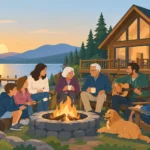
A great family trip does not need every generation to keep the same pace. It needs enough room for a toddler’s early bedtime, a quiet cup of coffee for the grandparents, a trail plan for the adventurous crew, and a table where everyone can come back together. That is the real secret to how to plan a multigenerational cabin stay: choose a home base that makes togetherness easy without requiring everyone to do the same thing all day.
Near Jasper and the Buffalo River, a cabin getaway can give your family that balance. The mountains provide plenty of reasons to get outside, while a private home gives everyone a comfortable place to reset after hiking, floating, fishing, or a scenic drive through the Ozarks.
Start With Space, Not Just Sleeping Capacity
When several generations travel together, the guest count tells only part of the story. A cabin may technically sleep everyone, but the better question is whether it gives everyone room to settle in comfortably. Look at the bedroom layout, number of bathrooms, shared living areas, parking, kitchen size, and outdoor spaces before you book.
Separate bedrooms matter for more than privacy. They let parents put young children to bed without ending the evening for the whole group. They give older relatives a quieter place to recharge. They also make it easier for couples or siblings to keep a little personal space during a trip built around sharing.
Bathroom count deserves an honest look, especially if your group includes little ones who need help getting ready or grandparents who prefer a slower morning. A spacious kitchen and dining area are just as valuable. Family meals are often the anchor of a cabin weekend, whether that means pancakes before a river day or a relaxed dinner after everyone gets back from town.
At Misty Creek Lodge, groups can spread out in a 2,600-square-foot home with four bedrooms, two bathrooms, a fully equipped kitchen, covered parking, and room for up to 11 guests. That kind of setup helps the cabin feel like part of the vacation, not simply a place everyone squeezes into at night.
How to Plan a Multigenerational Cabin Stay Around Different Needs
The best itinerary is not a packed itinerary. Before arrival, ask each person what would make the trip feel worthwhile. One grandchild may be excited about roasting marshmallows. An adult child may want a full day on the Buffalo River. A grandparent might care most about mountain views, a good book, and an easy outing with the family.
Those answers help you create a trip with a few shared highlights and plenty of optional time. Instead of assigning every hour, plan one main activity per day and leave the rest open. A morning hike can be followed by lunch at the cabin, an afternoon nap or game, and a fire pit evening that brings everyone together again.
It also helps to name the activity level before the trip. Not every trail, float, or sightseeing stop works equally well for every age and mobility level. Choose outings with a clear meeting point, realistic drive times, and an easy opt-out option. Someone who skips a longer hike should still feel like they are having a vacation, not sitting out the fun.
A simple rhythm works well for many families: active mornings, unhurried afternoons, and shared evenings. That leaves space for kids to run around, adults to enjoy the hot tub, and older family members to rest before dinner.
Make One Person the Point of Contact
A group trip gets complicated when everyone brings ideas but no one makes the final call. Pick one organizer to handle arrival details, meals, reservations, and the general plan. That does not mean they need to control the weekend. It simply prevents ten separate text threads from deciding when breakfast happens.
Share the cabin address, check-in instructions, a loose schedule, and a packing reminder several days before departure. If family members are driving in from different places, confirm arrival windows so no one is waiting outside after dark or wondering whether dinner should be held.
Build the Trip Around Shared Moments
The memories that last are usually not the most ambitious ones. They are the moments when everyone is comfortable enough to linger: kids practicing putts while an uncle keeps score, cousins playing horseshoes, grandparents telling old stories by the fire, or the whole family watching the evening settle over the hills.
Choose two or three moments that naturally include most of the group. A first-night taco bar, a pancake breakfast, a creekside walk, or a bonfire with s’mores can become the trip’s traditions. Keep them simple enough that they do not depend on perfect weather or a strict timeline.
Outdoor amenities make a big difference here because they create things to do without requiring another drive. A private creek, fire pit, hot tub, par-three golf setup, and horseshoe pit offer low-pressure ways for different ages to spend time together. Some people may play, some may watch, and some may just enjoy being outside. All of that counts.
Plan Meals That Do Not Turn Into a Chore
Cabin kitchens are a major advantage for multigenerational groups, but only if the meal plan stays realistic. Nobody wants to spend a long-awaited getaway cooking three elaborate meals a day and washing dishes while everyone else relaxes.
Plan one or two easy group dinners, one meal out or takeout night if it fits your location, and flexible breakfasts and lunches. Bring familiar snacks for children, coffee and breakfast items for early risers, and a few foods that suit dietary needs. If someone has a serious allergy or a specific medical diet, make that part of the grocery plan before the drive begins.
For a group of this size, divide responsibilities in a friendly, clear way. One household can bring breakfast supplies, another can handle dinner ingredients, and another can bring fire pit treats or drinks. That shared approach keeps one person from carrying the entire load.
Be mindful that dining out in a small destination area may require more patience and planning than it would in a city. Cooking at the cabin often gives the group more flexibility, especially after a muddy trail, a long float, or a day when the youngest travelers are ready to be home.
Pack for Comfort in the Ozarks
The Ozarks can give you warm afternoons, cool evenings, creekside mud, rocky paths, and changing conditions across a single weekend. Packing layers is more useful than packing for one exact forecast. Bring comfortable walking shoes, a light jacket, sunscreen, insect repellent, refillable water bottles, and clothes that can handle outdoor fun.
For kids, add extra socks, pajamas, a favorite bedtime item, and a few quiet activities for downtime. For older adults, think about the small comforts that make travel easier: preferred pillows, medications, supportive shoes, reading glasses, and a jacket for sitting outside after sunset.
If your group includes EV drivers, confirm charging plans before leaving home. If you are bringing motorcycles, outdoor gear, fishing equipment, or river supplies, make sure there is enough vehicle and storage space for the way your family travels. A little advance thought prevents the arrival-day shuffle of trying to fit coolers, luggage, and gear into every available corner.
Leave Room for Separate Adventures
Together time is the point, but constant togetherness can wear on even the closest family. Give people permission to choose their own pace. One part of the group may want to hike or explore local trails, while another chooses a scenic drive, a visit around Jasper, or a slow afternoon at the cabin.
Set a return time for dinner or the evening fire, then let the day breathe. This is particularly helpful when adults have different vacation styles. The serious anglers do not need to convince everyone to fish at sunrise, and the people who want to sleep in do not need to apologize for it.
The same goes for children. A long outdoor day can be wonderful, but a younger child may need a calm afternoon before joining the family later. When the cabin itself has places to play, relax, and gather, nobody has to choose between rest and being part of the trip.
Set Expectations Before You Arrive
A little clarity protects the relaxed feeling you want once everyone is there. Talk through sleeping arrangements, kitchen expectations, child supervision near water or outdoor features, and the general quiet hours that work for the group. If grandparents are paying for the stay, or one household is handling groceries, have those conversations early and kindly.
You do not need a formal agenda. You just need fewer surprises. Agree that plans can change with weather, energy levels, and the occasional toddler meltdown. A flexible family is usually a happier family.
When you choose a cabin with room to spread out, nature just outside the door, and easy ways to gather at the end of the day, every generation can take home a version of the trip that feels made for them.